
 By Bio Share
Have you ever rummaged through your kitchen, desperate for a quick fix to dull skin, only to stumble upon something as simple as rice? That’s exactly what happened to me a couple of years ago. I was scrolling through social media late one night, exhausted from a long day, when I saw a post about rice water transforming someone’s complexion overnight. Intrigued, I grabbed a handful of rice from the pantry, soaked it, and splashed the cloudy water on my face before bed. The next morning, my skin felt smoother and looked brighter, like I’d just had a mini facial. It was thrilling, that glow, and I started using it daily. But after a week, things shifted. My cheeks felt tight and flaky, and a few red patches appeared. What started as a natural beauty hack turned into a lesson on listening to my skin. If you’re like me, chasing that radiant look with home remedies, you know the excitement, and the potential pitfalls. Rice water promises so much, from hydration to anti-aging perks, but it can backfire if you’re not careful. In this guide, we’ll dive into what could go wrong, and how to make it work for you without the regrets. Trust me, I’ve been there, and now you can skip the trial and error.
Rice water, that starchy liquid left after soaking or boiling rice, has been a staple in Asian beauty routines for centuries, especially in places like Japan and Korea. It’s packed with vitamins, minerals, and antioxidants from the rice, making it a go-to for natural skincare enthusiasts. Why does it matter? In a world full of pricey serums, rice water offers an affordable, DIY option that can brighten your complexion and soothe irritation. But here’s the catch: while many rave about rice water benefits for skin, like improved texture and reduced inflammation, it’s not without risks. Side effects of rice water on face can include dryness or breakouts if misused. You’ll learn how to harness its power safely, spot fermented rice water risks, avoid rice water dryness, handle allergic reactions to rice water, and prevent rice water acne. We’ll also touch on related terms like rice water toner side effects and natural skincare remedies to give you a full picture. By the end, you’ll feel confident experimenting, or knowing when to pass.
Understanding Rice Water: What It Is and How to Prepare It
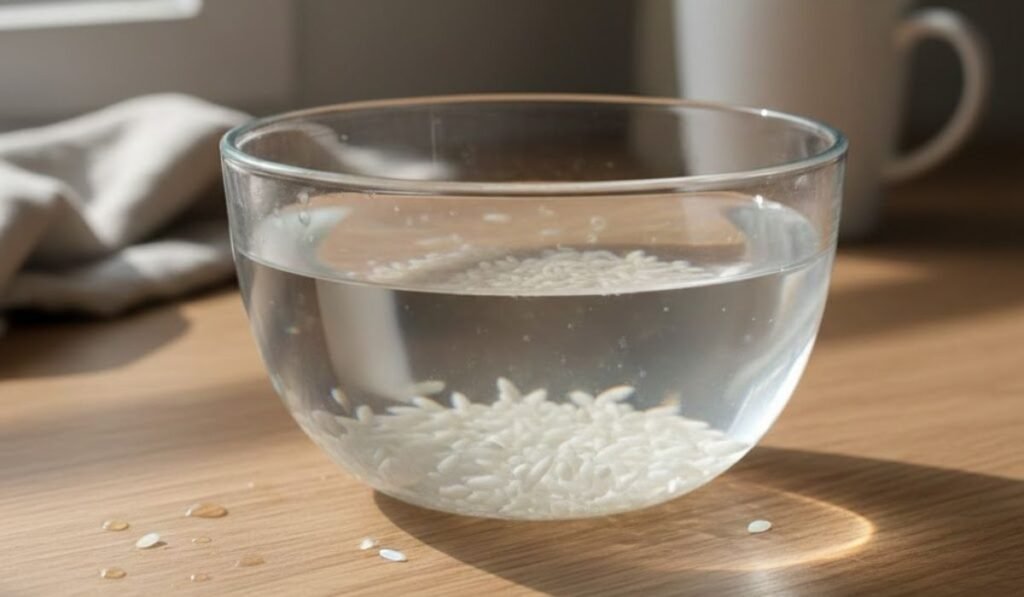
Rice water is essentially the nutrient-rich byproduct from rice, created when you rinse, soak, or boil it. This cloudy liquid captures starches, vitamins like B and E, minerals, and antioxidants from the rice bran. Historically, women in ancient Japan used it to maintain porcelain-like skin, and today, it’s buzzing in K-beauty trends for its potential to hydrate and brighten.
To prepare it at home, start with uncooked rice, any type works, though organic is best to avoid pesticides. For the soaking method, rinse half a cup of rice to remove dirt, then soak it in two to three cups of water for 30 minutes. Strain the water into a clean container. For boiled rice water, use four times more water than rice, boil until cooked, then strain. Fermented rice water, which amps up the benefits but increases risks, involves leaving the soaked version at room temperature for one to two days until it sours slightly, then refrigerating.
Why bother with preparation details? Getting it right reduces side effects of rice water on face, like contamination from bacteria in improperly stored batches. Always dilute fermented types, as they’re more potent and can lead to irritation.
Under the hood, rice water’s pH hovers around 5.5 to 6, close to your skin’s natural acidity, which helps balance it. But overuse disrupts this, causing issues. Pros include its simplicity and cost, often under a dollar per batch. Cons? It spoils quickly, lasting about a week in the fridge.
Bold tip: Always patch test on your inner arm for 24 hours to check for allergic reactions to rice water.
Real example: A friend of mine, with combination skin, tried undiluted fermented rice water and ended up with redness. Switching to diluted soaked versions fixed it.
For credibility, a study in the journal Cosmetics found rice water from boiling showed high antioxidant activity, similar to vitamin C, supporting its use in skincare. Another from PubMed highlights rice-derived ingredients as anti-inflammatory and moisturizing. Check Healthline for more prep tips, or Medical News Today for usage basics. Verywell Health notes fermentation matches skin’s pH perfectly, but warns of overuse.
Transitioning to perks, let’s explore why so many swear by it, despite the caveats.
The Surprising Benefits of Rice Water for Your Face
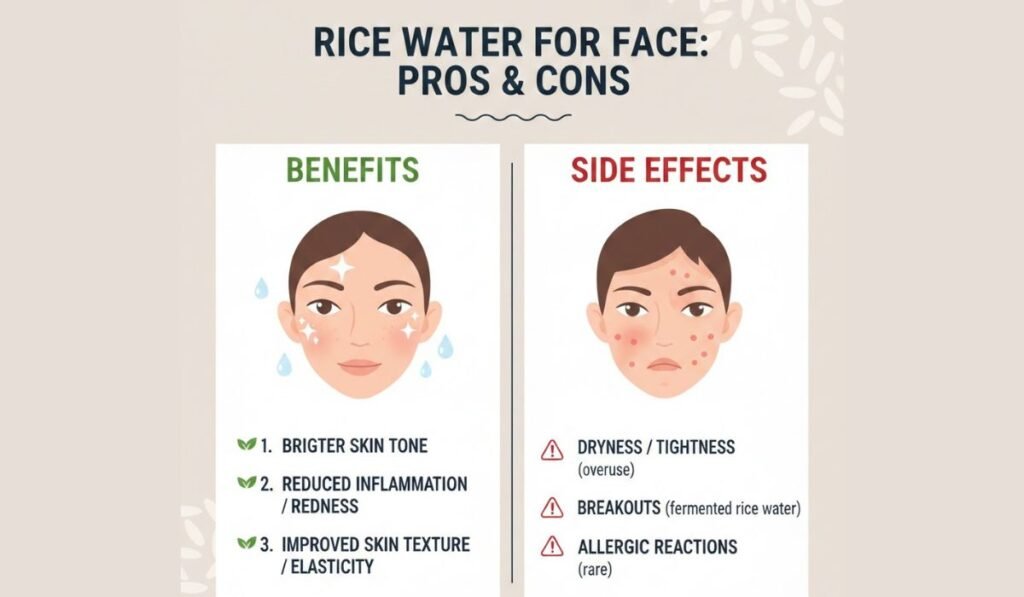
You might think rice water is just a fad, but its benefits stack up, backed by tradition and emerging science. Primarily, it brightens skin tone by reducing dark spots and hyperpigmentation, thanks to compounds like ferulic acid and allantoin. If you’ve battled uneven complexion from sun exposure or acne scars, this could be your gentle ally.
Rice water benefits for skin also include hydration. As a natural humectant, it draws moisture in, leaving your face supple without greasiness. For dry skin types, it’s a boon, soothing flakiness and restoring balance. Anti-inflammatory properties calm redness from conditions like eczema or rosacea, making it a soothing toner alternative.
On the anti-aging front, it fights free radicals with antioxidants, potentially reducing fine lines. A 2018 study in Cosmetics showed rice water inhibits elastase, an enzyme that breaks down skin elasticity, leading to fewer wrinkles over time. Participants using a rice water gel for 28 days reported improved hydration and texture.
It even aids acne-prone skin by controlling oil and unclogging pores, though this varies. Lesser-known fact: Fermented rice water boosts these effects through probiotics, enhancing skin barrier function. From my experience, as someone who’s tried rice water for years, it gave my dull winter skin a noticeable glow after consistent use.
Pros and Cons at a Glance
- Pros: Affordable, natural, multi-purpose (toner, mask, cleanser).
- Cons: Short shelf life, potential for rice water toner side effects if not diluted.
Numbered Steps for a Rice Water Mask:
- Mix two tablespoons rice water with one teaspoon honey.
- Apply to clean face for 15 minutes.
- Rinse with warm water.
- Follow with moisturizer.
Humor aside, who knew your dinner staple could double as a spa treatment? But balance this with risks, as not everyone’s skin reacts the same.
Stats from a 2002 study: Bathing in rice starch water improved skin healing by 20% in irritated skin. Sources like Women’s Health confirm its acne-soothing potential, while Verywell Health cites antioxidant equivalence to vitamin C. For depth, see the MDPI study on its anti-aging efficacy, or PubMed’s review of rice products in dermatology.
Moving on, while benefits tempt you to dive in, understanding side effects ensures you stay safe.
Common Side Effects of Rice Water on Face You Need to Know
No remedy is perfect, and side effects of rice water on face can catch you off guard if you’re not prepared. The most frequent is dryness, where overuse strips natural oils, leading to flakiness or tightness. This hits dehydrated skin hardest, as rice water’s slight acidity (pH 6) can imbalance your skin’s barrier.
Allergic reactions to rice water show up as redness, itching, or hives, though rare. If you’re sensitive to rice or have allergies, this is a red flag. Acne flare-ups happen too, especially with fermented rice water risks; its thickness can clog pores, causing breakouts in oily types.
Uneven skin tone might emerge from buildup if not rinsed properly, while sun sensitivity increases, making you prone to burns. Over-exfoliation is another, as starches gently scrub but too much irritates, leading to sensitivity.
From my trials, I once left fermented rice water on overnight and woke to irritated patches, a classic over-exfoliation mishap. Real examples abound online, like users on Reddit reporting rice water acne after daily use.
Spotting and Managing Side Effects
- Dryness: Moisturize immediately after; limit to twice weekly.
- Allergies: Stop use and apply aloe for relief.
- Acne: Dilute and patch test.
Bold warning: If symptoms persist, see a dermatologist.
A Healthshots article lists six side effects, including acne from clogged pores. Medical News Today notes no hard harm from fresh batches but advises patch tests. Verywell Health calls it hypoallergenic but urges caution for sensitive skin. The MDPI study found rice water non-irritating in tests, yet real-world use varies. PubMed’s review praises safety but notes individual differences.
Knowing these helps, but identifying your risk factors takes it further.
Factors That Increase Risks: Skin Types and Preparation Mistakes
Certain skin types amplify side effects of rice water on face. Dry or sensitive skin faces higher rice water dryness risks, as the starch absorbs moisture. Acne-prone folks might see worsening from pore-clogging, especially with fermented versions. Mature skin could benefit from anti-aging, but over-use leads to irritation.
Preparation blunders spike dangers. Using un-rinsed rice introduces dirt or pesticides, causing allergic reactions to rice water. Fermenting too long breeds bacteria, leading to infections. Storing beyond a week turns it rancid, irritating skin.
Environmental factors matter too: In humid climates, it might feel sticky, promoting breakouts. Daily use without dilution ignores skin’s recovery needs.
As a skincare tester, I’ve seen friends with oily skin thrive on diluted rice water, while my dry-skinned sister got flaky spots from undiluted batches.
Risk Factors Table
| Skin Type | Potential Risk | Tip to Mitigate |
| Dry | Dryness and flakiness | Dilute 1:1 with water |
| Oily/Acne-Prone | Breakouts | Use non-fermented, rinse well |
| Sensitive | Irritation | Patch test, start weekly |
| Normal | Minimal, but buildup | Alternate days |
Bold advice: Always use fresh, organic rice.
Healthline warns of arsenic in rice, though topical use is low-risk. Medical News Today suggests discarding after a week. Healthshots emphasizes moderation to avoid over-exfoliation. Verywell Health quotes experts on patch testing for irritated skin. PubMed notes rice products are generally safe but hypoallergenic varies.
With risks in mind, let’s shift to safe application.
READ ALSO: Mochi Health Review: Worth It?
How to Use Rice Water Safely to Minimize Side Effects
Safety first: Start with a patch test to dodge allergic reactions to rice water. Dilute, especially fermented types, to cut rice water toner side effects.
As a toner, dab with a cotton pad post-cleansing, twice weekly. For a mask, mix with yogurt for added hydration, apply 10-15 minutes, rinse. As a cleanser, massage gently, then wash off.
Frequency: Beginners, stick to 2-3 times a week to avoid rice water dryness. Combine with moisturizers like hyaluronic acid for balance.
Store in the fridge, use within seven days. Opt for soaked over fermented if sensitive, reducing fermented rice water risks.
My tip: Add a drop of tea tree oil for acne-prone skin, but test first.
Step-by-Step Safe Application
- Cleanse face.
- Apply diluted rice water.
- Wait 5-10 minutes.
- Rinse and moisturize.
Pros/Cons of Methods:
- Soaked: Gentle, low risk.
- Fermented: Potent, higher irritation chance.
Healthline details dilution for boiled versions. Medical News Today covers spritzing for ease. Verywell Health recommends refrigeration. The MDPI study used 96% rice water in gels safely. PubMed affirms moisturizing benefits when used right.
If it doesn’t suit, explore options next.
Alternatives If Rice Water Isn’t Right for You
Not everyone tolerates rice water, so consider gentler natural skincare remedies. Aloe vera soothes without dryness risks, ideal for sensitive skin. Green tea toner fights inflammation minus pore-clogging.
For brightening, try vitamin C serums, proven to fade spots without side effects of rice water on face. Honey masks hydrate deeply, antibacterial for acne.
Commercial options: Look for rice-based products like The Face Shop’s Rice Water Bright line, formulated to minimize risks.
From experience, switching to oatmeal water helped my flaky phases, similar benefits but milder.
Comparison Table
| Alternative | Key Benefit | Vs. Rice Water |
| Aloe Vera | Soothing, hydrating | Less drying |
| Green Tea | Antioxidant-rich | No fermentation risks |
| Vitamin C | Brightening | More stable, no spoilage |
| Honey | Antibacterial | Sweeter scent, no acidity issues |
Bold suggestion: Consult a pro for personalized picks.
Healthline mentions rice wine for similar anti-aging. Medical News Today notes limited evidence, suggesting proven actives. Verywell Health compares to vitamin C. PubMed highlights rice bran alternatives. Healthshots advises moderation or swaps for side effects.
Now, let’s answer common queries.
FAQs
What are the main side effects of rice water on face?
Dryness, allergic reactions, acne, uneven tone, sun sensitivity, and over-exfoliation. Always dilute and test.
Is fermented rice water better or riskier?
Better for benefits like brighter skin, but riskier for irritation and breakouts due to potency.
How often should I use rice water on my face?
2-3 times a week to avoid rice water dryness or other issues.
Can rice water cause acne?
Yes, if it clogs pores, especially in oily skin. Rinse thoroughly.
Is rice water safe for all skin types?
Mostly, but dry or sensitive types should proceed cautiously.
What if I experience irritation?
Stop use, apply a soothing cream, and consult a dermatologist.
Does rice water really brighten skin?
Yes, per studies, but results vary.
How long does rice water last?
Up to a week in the fridge; discard if it smells off.
- Rice water offers brightening, hydration, and anti-aging perks, but watch for side effects.
- Always patch test and dilute to stay safe.
- Benefits shine with consistent, moderate use.
- Preparation matters: Fresh batches reduce risks.
- If issues arise, switch to alternatives like aloe.
Rice water can unlock glowing skin, but respecting your skin’s needs is key. Share your experiences in the comments, or try a diluted batch and tell me how it goes!
YOU MAY ALSO LIKE: Voltaren Gel: Topical Arthritis Pain Relief