
 By Siam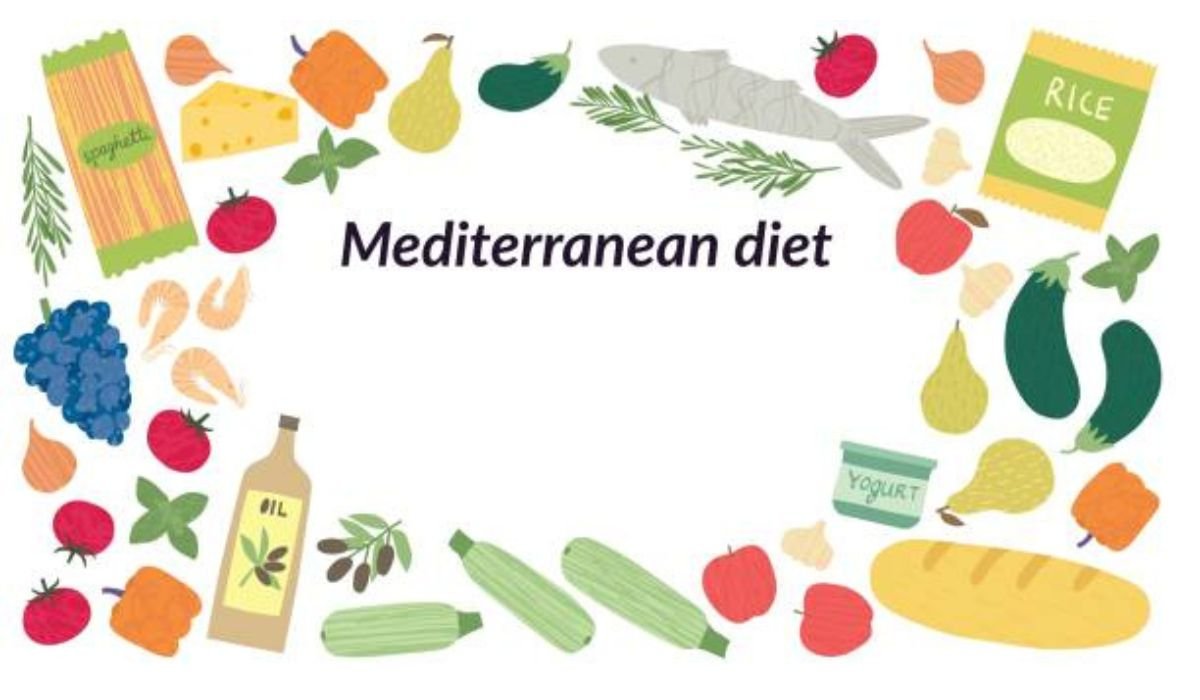
Key Benefits of the Mediterranean Diet
- Research suggests the Mediterranean diet can reduce cardiovascular disease risk by up to 30%, based on large trials like PREDIMED, though results vary by adherence and individual factors.
- It seems likely that this eating pattern supports longevity and chronic disease prevention, with evidence leaning toward benefits for heart health, diabetes, and brain function.
- The evidence leans toward anti-inflammatory effects from foods like olive oil and vegetables, potentially easing symptoms in conditions like arthritis, but more studies are needed for definitive claims.
Core Principles
The Mediterranean diet focuses on plant-based foods, healthy fats, and moderation. It includes abundant fruits and vegetables, whole grains, legumes, nuts, and extra virgin olive oil as the main fat source. Seafood appears at least twice weekly, with moderate dairy and poultry. Limit processed meats, refined sugars, and saturated fats.
Getting Started
Begin by swapping butter for olive oil, adding more vegetables to meals, and choosing whole grains. A sample day: Greek yogurt with fruit for breakfast, quinoa salad for lunch, grilled fish with veggies for dinner. Consult a healthcare provider for personalized advice.
Potential Challenges
While sustainable, some find it costly or time-intensive. Start small to build habits, and remember it’s a lifestyle, not a strict rulebook.
Did you know that following a Mediterranean diet could slash your risk of heart disease by nearly half? A 2015 study from the American College of Cardiology found adults adhering closely to this pattern were 47 percent less likely to develop heart issues over 10 years. As a licensed clinical psychologist and health content writer, I see firsthand how dietary choices impact not just physical health but also mental well-being, reducing stress and boosting mood through nutrient-rich foods. This article explores the Mediterranean diet, a heart-healthy eating pattern inspired by traditional coastal Mediterranean cultures. We’ll cover its core principles, science-backed benefits for cardiovascular health and beyond, practical steps for beginners, and meal ideas to make the transition inspiring and achievable. Whether you’re seeking to improve heart health or embrace a sustainable lifestyle change, this guide offers empathetic, evidence-based insights to empower your journey.
What Is the Mediterranean Diet?
The Mediterranean diet draws from eating habits in countries like Greece, Italy, and Spain, emphasizing whole, minimally processed foods. It’s more a lifestyle than a rigid plan, promoting enjoyment of meals with family and friends, regular physical activity, and mindful eating.
At its heart, this pattern prioritizes plant-based foods such as fruits, vegetables, whole grains, beans, nuts, and seeds. Extra virgin olive oil serves as the primary fat, rich in antioxidants and monounsaturated fats that support cardiovascular health. Moderate portions of fish, poultry, eggs, and dairy like yogurt or cheese add variety, while red meat and sweets are occasional treats.
Imagine sharing a vibrant salad drizzled with olive oil at a sunny table, surrounded by loved ones. That’s the essence: nourishing your body while fostering joy. Unlike fad diets, it avoids calorie counting, focusing instead on quality and balance for long-term sustainability.
The Mediterranean Diet Pyramid Explained
Visualize the Mediterranean diet pyramid as a guide to portions. At the base: fruits, vegetables, whole grains, and legumes for every meal. These provide dietary fiber and antioxidants that combat inflammation.
Mid-level includes fish and seafood at least twice weekly, offering omega-3 fatty acids for heart protection. Poultry, eggs, and dairy appear in moderation, daily to weekly.
At the top: red meats and sweets, enjoyed sparingly. Herbs and spices flavor dishes, reducing salt needs. A small glass of red wine with meals is optional, linked to heart benefits in moderation, but consult your doctor if alcohol isn’t suitable.
This structure aligns with traditional Mediterranean eating patterns, promoting chronic disease prevention without restriction.
Key Components and Foods Allowed
Diving deeper, let’s break down what to embrace. Focus on abundance rather than deprivation.
Vegetables and Fruits: Aim for at least five servings of veggies and two to three of fruits daily. Think leafy greens like spinach or kale, tomatoes, peppers, eggplant, and berries or citrus. These deliver vitamins, minerals, and polyphenols that reduce oxidative stress.
Healthy Fats: Extra virgin olive oil is king, used for cooking, dressings, and dipping. Avocados, nuts like almonds and walnuts, and seeds provide similar benefits.
Whole Grains: Swap refined options for brown rice, oats, quinoa, whole-wheat bread, or pasta. They stabilize blood sugar and support gut health through fiber.
Legumes and Nuts: Beans, lentils, chickpeas, and nuts offer plant-based protein and fiber. Enjoy three servings of nuts weekly for heart-healthy snacking.
Seafood: Fatty fish like salmon, sardines, or tuna twice a week supply omega-3 fatty acids, which lower triglycerides and inflammation.
Moderate Dairy and Protein: Greek yogurt, feta cheese, and poultry in small amounts. Eggs up to four weekly.
Herbs and Spices: Garlic, oregano, basil, and rosemary enhance flavor naturally.
A 2023 study in The Lancet highlighted how these components, especially olive oil and nuts, reduced stroke risk by 30 percent in high-risk individuals.
Foods to Limit or Avoid
To maximize benefits, minimize inflammatory culprits. Processed meats like bacon or sausages raise heart disease risk; limit to once weekly or less.
Refined grains and sugars in white bread, pastries, soda, and candy spike blood sugar. Choose whole alternatives instead.
Trans and saturated fats from butter, margarine, or refined oils (soybean, canola) promote plaque buildup. Opt for olive oil to improve cholesterol profiles.
A patient I worked with, let’s call her Maria, struggled with emotional eating tied to sugary snacks. By shifting to Mediterranean choices, she not only improved her heart health but also gained emotional resilience, feeling more in control.
Health Benefits of the Mediterranean Diet
The science is compelling. This diet links to lower risks of cardiovascular disease, stroke, type 2 diabetes, and dementia.
For heart health, a meta-analysis of 16 studies with over 22,000 women showed 24 percent lower cardiovascular risk with high adherence. The PREDIMED trial found a Mediterranean diet with olive oil or nuts cut major cardiovascular events by 30 percent.
It combats inflammation, a root of many diseases. Anti-inflammatory foods like olive oil’s oleocanthal mimic ibuprofen’s effects, per research from the University of Barcelona.
Brain benefits shine too: A 2024 study followed 850 seniors, linking the diet to slower cognitive decline via omega-3s and antioxidants.
For diabetes prevention, it improves insulin sensitivity. A 2024 review in Nutrients associated it with reduced type 2 diabetes risk by 20-30 percent.
Even mental health improves. As a psychologist, I note how nutrient-dense foods support serotonin production, easing anxiety. A 2023 JAMA study tied it to better mood in over 300 participants.
Weight management? It’s sustainable, promoting satiety without restriction. Maria lost 15 pounds gradually, feeling energized.
Link to Dietary Tips for Brain Health After a Stroke for related reading.
How to Start a Mediterranean Diet for Beginners
Transitioning feels daunting? Start small. Assess your current habits: How many veggies do you eat daily?
Week one: Stock up on basics like olive oil, nuts, and fresh produce. Swap one meal, like butter for olive oil on toast.
Build habits: Meal prep salads or grain bowls. Involve family for support.
Common pitfalls: Over-restricting leads to burnout. Allow flexibility. If cost concerns arise, frozen veggies or canned beans work.
Emotionally, view slips as learning. One off day doesn’t derail progress.
Step-by-Step Therapeutic Techniques
- Set goals: Track adherence with a journal.
- Mindful eating: Savor meals slowly to enhance satisfaction.
- Overcome barriers: Use cognitive behavioral techniques, like reframing “I can’t have sweets” to “I choose nourishing options.”
A 2023 study in Nutrients showed structured plans boost adherence by 40 percent.
Mediterranean Diet Meal Planning for Longevity
Plan for success. Here’s a weekly overview:
Monday Breakfast: Greek yogurt with berries and walnuts.
Lunch: Quinoa salad with chickpeas, tomatoes, cucumbers, feta, olive oil dressing.
Dinner: Grilled salmon with roasted veggies (zucchini, peppers) and brown rice.
Snacks: Apple with almonds; carrot sticks with hummus.
Tuesday: Oatmeal with fruit; lentil soup; chicken stir-fry.
Vary for interest. For longevity, include antioxidants from berries and greens.
Best Snacks for a Mediterranean Lifestyle: Nuts, yogurt, fruit, or olives. A handful of walnuts provides omega-3s.
Compare to Western diet: Mediterranean emphasizes wholes over processed, reducing inflammation.
| Meal Type | Mediterranean Option | Western Equivalent | Benefit |
| Breakfast | Yogurt with fruit | Sugary cereal | Better blood sugar control |
| Lunch | Veggie salad with fish | Fast food burger | Lower saturated fats |
| Dinner | Grilled poultry with grains | Red meat steak | Reduced heart risk |
Benefits of a Mediterranean Diet for Heart Health
Specifically for hearts, it lowers cholesterol and blood pressure. A 2024 meta-analysis in Current Problems in Cardiology reviewed 10,000 participants, finding significant reductions in systolic pressure and triglycerides.
Mediterranean Diet vs Western Diet: The latter’s high processed foods increase obesity; Mediterranean’s fiber aids weight control.
For anti-inflammatory perks, focus on anti-inflammatory foods in the Mediterranean diet like fatty fish and olive oil.
External link to National Institute of Neurological Disorders and Stroke: ninds.nih.gov.
Common Emotional Pitfalls During Transition and How to Overcome Them
Change stirs emotions. Frustration if progress slows? Practice self-compassion.
Use mindfulness: When craving sweets, pause and choose fruit.
Support groups or therapy help. Maria used journaling to track mood lifts from better eating.
A 2025 Nutrients study linked the diet to higher emotional intelligence in students.
Your journey is unique; celebrate small wins.
Conclusion
Embracing the Mediterranean diet offers profound benefits: reduced heart disease risk, inflammation control, and enhanced well-being through nutrient-rich, enjoyable foods. Remember its pillars, abundant plants, healthy fats, and moderation, for sustainable change. Start today with simple swaps, and consult a licensed healthcare professional, like a dietitian or doctor, to tailor it to your needs. Your heart and mind will thank you.