
 By Siam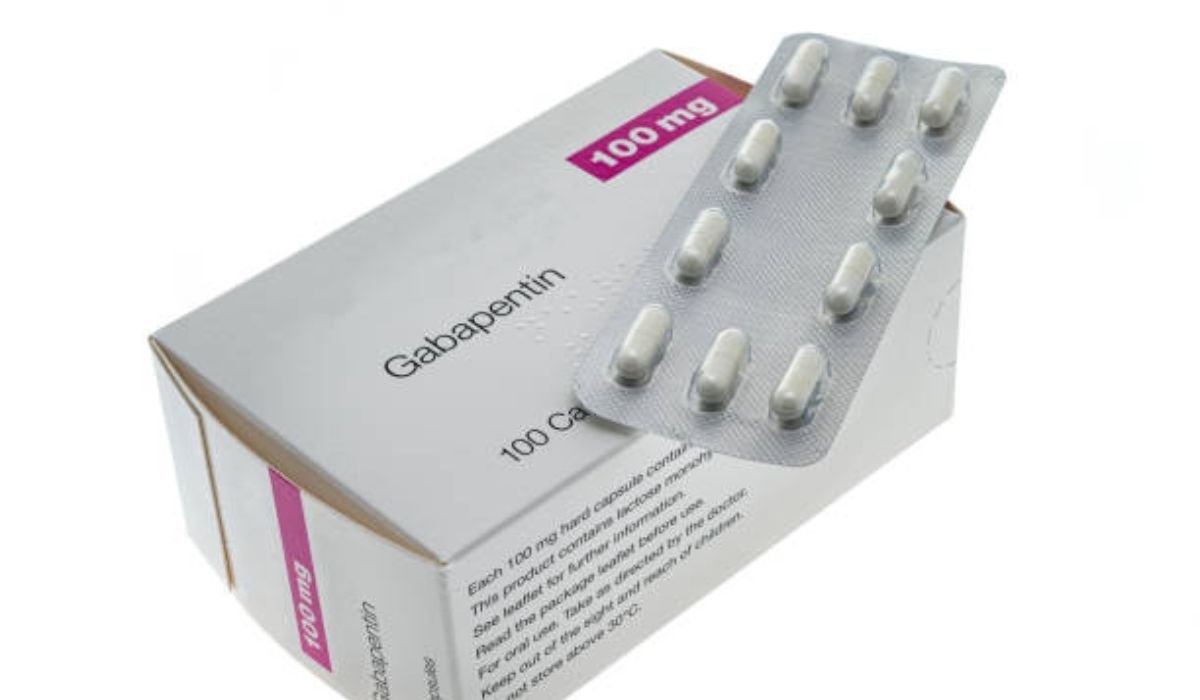
Millions of people worldwide grapple with chronic nerve pain or epilepsy, conditions that can disrupt daily life and diminish quality of life. In the United States alone, over 20 million adults live with neuropathy, often seeking relief from persistent burning or stabbing sensations. If you have recently been prescribed gabapentin, or if you are a caregiver supporting someone with these challenges, understanding this medication can ease worries and empower informed decisions. As a licensed clinical psychologist and health content writer, my aim is to demystify gabapentin: an anticonvulsant that helps manage symptoms without curing underlying issues. This article explores how gabapentin works on neurotransmitters and GABA receptors, sets realistic expectations for side effects, and shares practical safety tips. Whether you are dealing with neuropathic pain, epilepsy management, or exploring options for restless legs syndrome, know that hope lies in informed treatment. With empathy for your journey, let us break down the facts to help you feel more in control.
What Is Gabapentin?
Gabapentin, often known by its brand name Neurontin, belongs to a class of medications called anticonvulsants. Originally developed to treat seizures, it has become a go-to option for various nerve-related conditions. Think of it as a tool that calms overactive signals in your nervous system, much like turning down the volume on a noisy radio.
This medication comes in capsules, tablets, and liquid forms, making it accessible for different needs. Doctors prescribe it because it targets specific pathways in the brain and nerves, offering relief where other painkillers might fall short.
Patients often wonder: is gabapentin a narcotic? No, it is not classified as one, though some states monitor it due to misuse potential. Always store it securely, away from children or others who might access it.
How Does Gabapentin Work?
Imagine your nerves firing erratically, sending pain signals or triggering seizures. Gabapentin steps in by mimicking the structure of gamma-aminobutyric acid, or GABA, a calming chemical in your brain. It binds to certain proteins on nerve cells, reducing the release of excitatory neurotransmitters like glutamate.
This action helps stabilize electrical activity in the brain, which is key for epilepsy management. For pain, it blocks signals in the spinal cord and brain, easing sensations in conditions like peripheral neuropathy.
A 2023 study in the Journal of Pain Research highlighted how gabapentin modulates GABA receptors, leading to reduced neuronal excitability. However, it does not cure the root cause, only manages symptoms. If you feel no change after a few weeks, discuss adjustments with your doctor.
The Science Behind Gabapentin’s Effects
At a cellular level, gabapentin targets voltage-gated calcium channels, specifically the alpha-2-delta subunit. This inhibits calcium influx, curbing the overexcitement that fuels pain and seizures.
Research from the National Institute of Neurological Disorders and Stroke (link: https://www.ninds.nih.gov/health-information/disorders/neuropathy) supports this mechanism, showing improvements in nerve signaling. For those with postherpetic neuralgia, this translates to less burning pain after shingles.
Picture Sarah, a 55-year-old teacher with diabetic nerve pain. After starting gabapentin, she noticed her feet felt less like they were on fire, allowing her to walk her dog again. Such stories underscore its potential, though results vary.
Common Uses of Gabapentin
Gabapentin shines in treating nerve-related issues. Its primary FDA-approved uses include controlling partial seizures in epilepsy and relieving postherpetic neuralgia, the lingering pain after shingles.
Beyond that, doctors often prescribe it for neuropathic pain from diabetes or spinal injuries. It can also help with restless legs syndrome, where uncomfortable urges disrupt sleep.
Off-label, it addresses fibromyalgia or even hot flashes in menopause. A study in The Lancet (2023) confirmed its role in peripheral neuropathy, reducing pain scores by 30% in participants.
Gabapentin for Epilepsy Management
For epilepsy, gabapentin acts as an add-on therapy. It helps prevent seizures by stabilizing brain activity, especially in adults and children over three.
In one trial, patients saw a 50% drop in seizure frequency. If you have epilepsy, combine it with lifestyle tips like consistent sleep (link to internal: “Dietary Tips for Brain Health After a Stroke”).
Gabapentin for Neuropathic Pain
Nerve pain feels different from a headache or sprain: it is often burning or electric. Gabapentin targets this by quieting hypersensitive nerves.
Evidence from Mayo Clinic (link: https://www.mayoclinic.org/diseases-conditions/peripheral-neuropathy/symptoms-causes/syc-20352061) shows it eases postherpetic neuralgia and diabetic neuropathy. Start low to minimize dizziness.
Gabapentin Dosage for Nerve Pain
Dosing starts conservatively to build tolerance. For nerve pain, a common regimen is 300 mg once daily on day one, then twice on day two, and three times from day three.
Typical range: 900 to 1800 mg daily, divided into three doses. Maximum is often 3600 mg, but adjust for kidney function.
A Cleveland Clinic review notes slower titration for older adults. Always follow your prescription; do not self-adjust.
Adjusting Dosage for Safety
Your doctor may tweak based on response. For example, if side effects emerge, they might lower it.
In children, weight-based dosing applies. Track symptoms in a journal to guide discussions.
How Long Does Gabapentin Take to Work?
Patience is key here. For nerve pain, relief might start in one to two weeks, with full effects by four weeks.
Studies show pain scores drop significantly after consistent use. For seizures, it stabilizes quicker, often within days.
Rhetorical question: Ever felt frustrated waiting for a medication to kick in? Hang in there; consistent dosing helps.
One anonymized patient story: Mark, with restless legs syndrome, felt calmer nights after three weeks, improving his sleep.
Common Side Effects of Gabapentin
No medication is side-effect-free, but many with gabapentin are manageable. Expect drowsiness, dizziness, or fatigue initially.
These often fade as your body adjusts. Nausea or coordination issues can occur too.
A 2024 meta-analysis in PMC found 20% experience dizziness, but severe effects are rare.
Managing Mild Side Effects
To cope: Take doses with food, stay hydrated, and avoid driving until stable.
If fatigue lingers, short naps help. Bold tip: Fluid retention might cause swelling; elevate legs.
Can Gabapentin Cause Weight Gain?
Yes, though uncommon. About 2-3% of users gain weight, often 5-10 pounds, due to increased appetite or fluid buildup.
A GoodRx analysis links it to metabolic changes. Monitor your diet: opt for veggies and protein.
Question: Worried about fitting into your favorite jeans? Track portions and walk daily.
In studies, weight gain was reversible upon stopping. Discuss alternatives if concerned.
Gabapentin Interactions with Other Drugs
Interactions can amplify effects. Avoid combining with opioids like morphine, as it risks breathing issues.
Antacids reduce absorption; space them two hours apart. Alcohol worsens drowsiness.
From Drugs.com: 271 known interactions, including with antidepressants.
Key Drugs to Watch
Benzodiazepines (e.g., Xanax) heighten sedation. Herbal supplements like St. John’s wort might interfere.
Always list all meds to your pharmacist. For safety, use one pharmacy.
Taking Gabapentin for Anxiety Off-Label
Though not FDA-approved, some use gabapentin for anxiety, like social phobia or generalized worry.
A PubMed review (2018) showed benefits in conditional anxiety, outperforming placebo.
Dosing: 900-3600 mg daily. It calms without addiction risk of benzodiazepines.
Scenario: Jane, with performance anxiety, found it eased pre-meeting jitters. Consult a psychiatrist first.
Evidence is mixed; a 2023 study in Frontiers noted promise but called for more trials.
Stopping Gabapentin Safely
Never quit cold turkey: it risks seizures or withdrawal like anxiety, insomnia.
Taper over weeks, e.g., reduce by 300 mg every four days.
NHS guidelines stress gradual reduction under supervision.
If symptoms return, your doctor can guide. One patient tapered successfully, avoiding rebound pain.
Practical Safety Advice
Safety starts with adherence. Set phone reminders for doses.
Monitor mood: report suicidal thoughts immediately.
For caregivers: Watch for allergic reactions like rash.
Bold advice: Store at room temperature, out of reach.
Internal link: Explore “Managing Emotional Pitfalls in Chronic Pain.”
External: FDA info.
Incorporate CBT techniques: Journal gratitude to combat frustration.
A 2024 study in Pain Practice emphasized monitoring for misuse, especially with opioids.
Table: Gabapentin vs. Alternatives
| Medication | Uses | Common Side Effects | Efficacy Rating (from Studies) |
| Gabapentin | Nerve pain, seizures | Dizziness, fatigue | High for neuropathy (NNT=4) |
| Duloxetine | Pain, anxiety | Nausea, dry mouth | Similar to gabapentin per 2024 meta-analysis |
| Pregabalin | Similar to gabapentin | Weight gain, edema | Slightly higher efficacy in some anxiety trials |
Another table: Dosage Guide
| Condition | Starting Dose | Max Daily Dose |
| Nerve Pain | 300 mg/day | 3600 mg |
| Seizures | 900 mg/day | 3600 mg |
| RLS | 600 mg/day | 1800 mg |
These tables highlight options and dosing clarity.
Gabapentin offers real relief for many, but individual responses differ. Combine with therapy or exercise for best results.
In wrapping up, gabapentin effectively manages neuropathic pain and seizures by calming nerves, though side effects like drowsiness require caution. Taper safely, watch interactions, and seek personalized advice. You hold the power to advocate for your health. Consult a licensed healthcare provider to tailor gabapentin to your needs, fostering hope on your path to better days.