
 By Bio Share
Have you ever stumbled upon a spice in your kitchen cabinet that packs more punch than just flavor? Picture this: a humble seed that’s been a staple in ancient remedies and modern supplements alike, helping folks manage everything from stubborn blood sugar levels to lagging energy. Well, that’s fenugreek for you, or foenegriek as it’s commonly called in Dutch-speaking regions. This aromatic herb, scientifically known as Trigonella foenum-graecum, has roots tracing back to the Mediterranean and Indian cuisines, where it’s prized not just for its nutty, slightly bitter taste but for a slew of potential health perks. In this guide, we’ll dive into what makes foenegriek tick, backed by science, and share some down-to-earth ways you can weave it into your routine. Whether you’re a fitness buff eyeing testosterone support or a home cook experimenting with curry powder, there’s something here for you.
Honestly, foenegriek isn’t talked about enough in everyday health chats, but let’s change that. You might not know this, but its saponins and fibers could be game-changers for natural wellness.
Table of Contents
- What Is Fenugreek (Foenegriek)?
- Key Health Benefits of Fenugreek
- Fenugreek in the Kitchen: Culinary Uses and Recipes
- Practical Ways to Use Fenugreek Daily
- Potential Side Effects and Safety Tips
- Pros and Cons of Fenugreek Supplements
- FAQ
- Conclusion
What Is Fenugreek (Foenegriek)?
Fenugreek, or foenegriek, is an annual plant belonging to the legume family, grown mainly in India, the Middle East, and parts of Europe. Its seeds are the star of the show: small, golden-brown nuggets with a distinctive aroma that’s a bit like maple syrup mixed with celery. The leaves, often called methi in Indian cooking, are used fresh or dried, adding a tangy twist to dishes. As a medicinal herb in phytotherapy, foenegriek has been harnessed for centuries in traditional systems like Ayurveda and traditional Chinese medicine.
The plant thrives in warm climates, and its seeds are rich in compounds like saponins, which act as natural detergents in the body, and soluble fibers that aid digestion. Fun fact: the name “foenum-graecum” means “Greek hay” in Latin, hinting at its early use as animal fodder before humans caught on to its benefits. Today, it’s available as whole seeds, powder, capsules, or even sprouts, making it versatile for both kitchen experiments and supplement regimens.
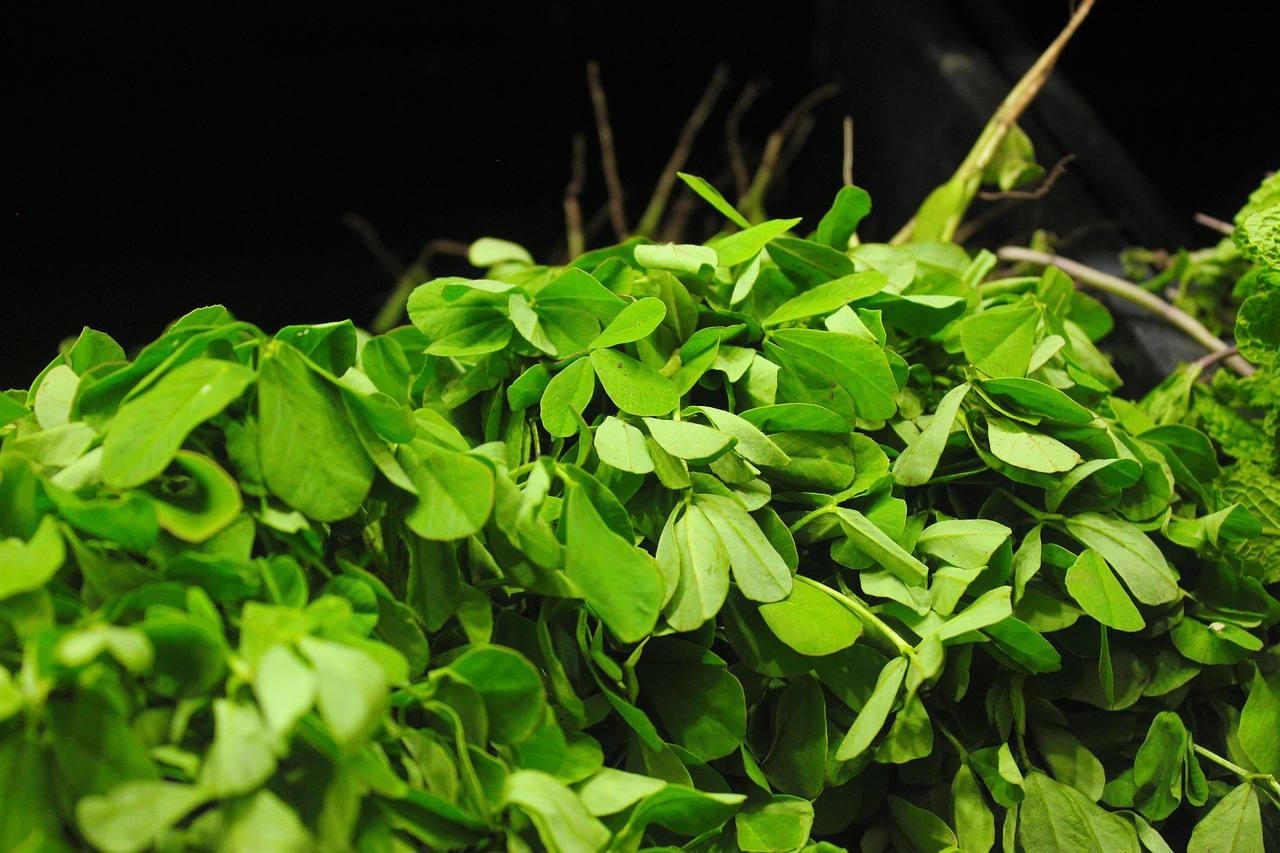
Source: needpix.com
Download free photo of Fenugreek,methi,fresh,green,indian – from …
(Here’s a look at fresh fenugreek seeds and leaves, straight from the plant.)
Key Health Benefits of Fenugreek
Let’s break this down. Foenegriek’s reputation as a powerhouse herb isn’t just folklore; there’s solid science behind it. For starters, it’s been linked to better blood sugar management, which is a big deal for anyone dealing with diabetes or prediabetes. Studies show that fenugreek seeds can slow the absorption of sugars in the stomach, leading to more stable bloedsuikerspiegel, or blood sugar levels. One review of clinical trials found that regular supplementation significantly lowered fasting glucose and improved insulin sensitivity in people with type 2 diabetes. If you’re fitness-oriented, you might appreciate how this stability keeps energy crashes at bay during workouts.
Then there’s the buzz around testosterone. Fitness enthusiasts often turn to foenegriek for its potential to boost testosteronspiegel, or testosterone levels. Research, including a meta-analysis of trials, suggests that fenugreek extract can elevate serum testosterone in men, possibly by inhibiting enzymes that convert it to estrogen. In one study, participants saw up to a 46% increase after consistent use, which could translate to better muscle performance and vitality. But some experts disagree on the strength of the evidence, so here’s my take: it’s promising, but pair it with resistance training for the best shot.
For new moms, fenugreek acts as a galactagogue, a fancy term for something that promotes breast milk production. Network meta-analyses indicate it can ramp up milk volume within days, thanks to its phytoestrogens. Many breastfeeding women swear by it, though results vary.
Other perks? Think digestive health from its high fiber content, potential anti-inflammatory effects for conditions like asthma, and even support for hair growth. Small studies hint that foenegriek zaden voor haargroei, or fenugreek seeds for hair growth, might thicken strands by nourishing follicles with proteins and lecithin. It’s also packed with antioxidants, which could play a role in fytotherapie, or herbal therapy, for overall wellness.
You might wonder, does this all add up? In my experience, the benefits shine brightest when foenegriek is used consistently, but always check with a doc if you have health concerns.
Fenugreek in the Kitchen: Culinary Uses and Recipes
Shifting gears to the tasty side, foenegriek is a kitchen hero in Mediterranean and Indian fare. Its seeds add depth to currypoeder, or curry powder, and spice blends like garam masala. The flavor? A mix of sweet and bitter, perfect for balancing rich dishes.
Home cooks, try this: Toast the seeds lightly in a pan to mellow their bitterness, then grind them into powders for rubs or stir them whole into lentil soups. In Indian cuisine, fresh leaves jazz up sabzis, or vegetable stir-fries, while dried ones (kasoori methi) finish off butter chicken with an aromatic kick.
Here’s a simple recipe tangent: For a quick foenegriek thee, or fenugreek tea, soak a teaspoon of seeds in hot water for 10 minutes. Strain, add honey, and sip for a soothing digestive aid. Or sprout them for salads; they’re crunchy and nutrient-dense. Kiemgroenten kweken, or growing sprouts, is easy: Soak overnight, rinse daily, and they’re ready in 3-5 days.

Source: commons.wikimedia.org
(Visualize fenugreek elevating an Indian curry like this one.)
Waar smaakt foenegriek naar? It tastes like a nutty, maple-infused celery, but cooking transforms it.
Practical Ways to Use Fenugreek Daily
Getting foenegriek into your routine doesn’t have to be complicated. For supplements, aim for 500-600mg capsules daily, but start low to gauge tolerance. Bijwerkingen van foenegriek capsules, or side effects of fenugreek capsules, are usually mild, but more on that later.
In the kitchen, hoe gebruik je foenegriek in de keuken? Sprinkle ground seeds into yogurt for a probiotic boost, or brew that tea I mentioned. Fitness folks, mix powder into smoothies post-workout for testosterone support. For borstvoeding, or breastfeeding, foenegriek en borstvoeding pairs well with oatmeal for milk flow.
Foenegriek supplementen voordelen shine in targeted use, like blood sugar control: Take with meals to maximize absorption.
Potential Side Effects and Safety Tips
No herb is perfect, right? Foenegriek is generally safe, but it can cause digestive upset like bloating or diarrhea in high doses. That quirky maple syrup sweat smell? It’s from sotolon, a compound that lingers in body odor. Pregnant women should skip it, as it might stimulate contractions.
If you’re on meds for diabetes or blood thinners, consult a pro, since it can amplify effects.
Pros and Cons of Fenugreek Supplements
| Pros | Cons |
|---|---|
| Supports blood sugar control and insulin response | May cause GI issues like gas or diarrhea |
| Potential testosterone boost for men | Can lead to maple-like body odor |
| Aids lactation as a natural galactagogue | Not recommended during pregnancy |
| Rich in fibers and saponins for digestion | Limited long-term studies on high doses |
| Affordable and versatile in forms (capsules, tea) | Possible interactions with medications |
This table sums it up: Weigh the upsides against your needs.
FAQ
What are the main health benefits of fenugreek?
Fenugreek offers perks like lowering blood sugar, boosting testosterone, and increasing breast milk production. It’s also fiber-rich for digestion and may support hair growth, though evidence varies. Always combine with a healthy lifestyle.
How best to prepare fenugreek seeds?
Toast them lightly to reduce bitterness, then grind for spices or soak for tea. For sprouts, rinse daily after overnight soaking; they’re great in salads.
Does fenugreek really help lower blood sugar levels?
Yes, studies show it slows sugar absorption and improves insulin response in diabetics. But it’s not a cure; use alongside medical advice.
Is fenugreek safe for daily use as a supplement?
It’s possibly safe for up to three years in moderate amounts, but watch for side effects like upset stomach. Daily use is fine for most, but consult if you have conditions.
Why does your sweat smell like maple syrup after eating fenugreek?
A compound called sotolon passes through the body unchanged, altering sweat and urine odor. It’s harmless but noticeable.
Can fenugreek help with hair growth?
Early research suggests yes, thanks to proteins and antioxidants that strengthen follicles. Apply as a mask or take internally for potential thickness.
How does fenugreek support breastfeeding?
As a galactagogue, it boosts milk supply in many women within days, but results aren’t universal. Start low and monitor.
Conclusion
Wrapping this up, foenegriek, with its blend of ancient wisdom and modern backing, stands out as a versatile herb for health-conscious folks. From stabilizing blood sugar to spicing up meals, it offers actionable benefits without much fuss. Some might overlook it, but in my view, it’s worth a spot in your pantry or supplement stack, especially if you’re into natural approaches like fytotherapie. Just remember, it’s no miracle cure; balance it with diet and exercise.
Ready to try foenegriek? Pick up some seeds next grocery run and experiment. What health tweak will you tackle first?
YOU MAY ALSO LIKE: How to make DIY conductive solution and electrode gel?