
 By Bio Share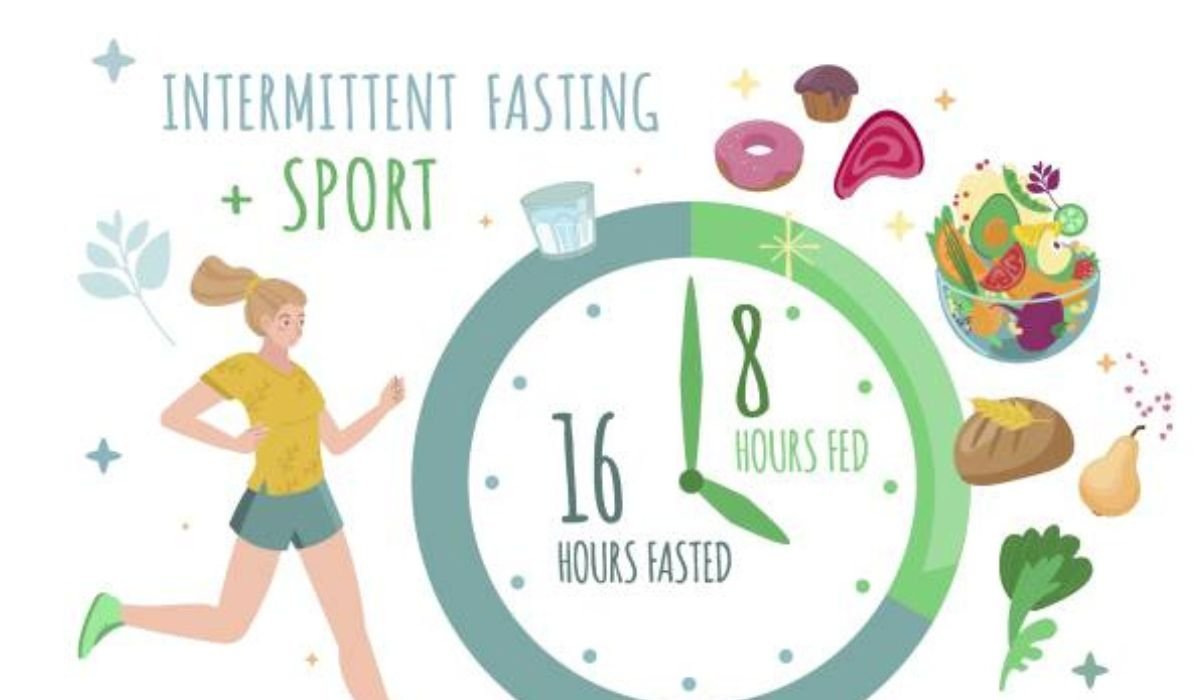
Imagine this: You’re tired of yo-yo dieting, counting every calorie, and feeling like your energy levels are on a roller coaster. You’ve tried the latest fads, but nothing sticks. Then, one day, you hear about a simple approach that doesn’t require overhauling what you eat, just when you eat. That’s where intermittent fasting comes in. I recall my own journey a few years ago, when I was stuck in a rut with extra pounds and sluggish afternoons. After researching and giving it a try, I noticed sharper focus, steady weight loss, and even better sleep. But it’s not just my story – millions are turning to intermittent fasting for similar reasons. If you’re frustrated with traditional diets that leave you hungry and deprived, or if you’re curious about a method backed by science to potentially extend your lifespan, keep reading. We’ll explore how adjusting your eating windows can lead to real changes, all while speaking to you like a friend sharing advice over coffee.
Intermittent fasting, or IF, is an eating pattern that cycles between periods of eating and fasting. It’s not about what you eat but when you eat, making it flexible for busy lifestyles. Why does it matter? Research suggests it can help with weight management, improve metabolic health, and reduce inflammation, which are key to preventing chronic diseases. In this guide, you’ll learn the basics of intermittent fasting, its benefits like enhanced insulin sensitivity and fat loss, potential risks such as fatigue or nutrient deficiencies, and practical tips to get started safely. We’ll cover related terms like time-restricted eating, alternate-day fasting, 16/8 method, fasting benefits for longevity, and IF for beginners to give you a full picture.
Key Points on Intermittent Fasting:
- It may promote weight loss: By limiting eating times, you often consume fewer calories naturally, leading to fat reduction without strict dieting.
- Potential health improvements: Studies indicate better blood sugar control, lower blood pressure, and reduced risk factors for heart disease and type 2 diabetes, though results vary.
- Brain and longevity benefits: Evidence leans toward sharper thinking, memory enhancement, and possibly longer life through cellular repair processes, but more long-term human research is needed.
- Not without controversy: Some research suggests risks like increased cardiovascular death with very short eating windows, so approach with caution if you have health conditions.
- Suitable for many, but not all: It seems likely that healthy adults can benefit, but pregnant people, those with eating disorders, or diabetics should consult doctors first.
If you’re new to this, start small with a 12-hour fast and build up. Remember, it’s about sustainability, not perfection. For more details, check resources like the Johns Hopkins Medicine guide or Mayo Clinic insights.
Getting Started Basics
Choose a method that fits your life, like the 16/8 where you eat in an 8-hour window. Focus on nutrient-dense foods during meals to avoid deficiencies. Hydrate well during fasts with water, tea, or black coffee.
Common Concerns Addressed
Worried about hunger? It often subsides after the first week as your body adapts. Feeling low energy? Pair IF with balanced nutrition to maintain vitality.
As someone who’s experimented with various wellness trends over the years, intermittent fasting stands out for its simplicity and science-backed potential. Let’s dive deeper into this approach that’s capturing attention worldwide.
What Is Intermittent Fasting and Why It Matters Today
Intermittent fasting isn’t a new concept; humans have fasted for centuries due to food scarcity or religious practices. In modern terms, it’s an eating pattern alternating between feeding and fasting periods, without specifying foods to avoid. Popular methods include the 16/8 (16 hours fasting, 8 hours eating), 5:2 (normal eating five days, restricted calories two days), and eat-stop-eat (24-hour fasts once or twice weekly).
Why the buzz? With obesity rates climbing, people seek sustainable weight management. Research suggests intermittent fasting triggers metabolic switching, where your body shifts from using glucose to burning fat for fuel, producing ketones that benefit brain and body health. This could protect against diseases like diabetes and heart conditions. For instance, a study in the New England Journal of Medicine highlighted improvements in glucose regulation, blood pressure, and even endurance.
But is it for you? If you’re dealing with constant fatigue or stubborn weight, IF might offer a reset. Related terms like time-restricted eating emphasize daily cycles, while long-tail variations such as “intermittent fasting for beginners” or “IF benefits for women” show its adaptability. According to Harvard Health, it may reduce inflammation faster than traditional diets, though long-term data is evolving. Expert sites like Mass General Brigham note weight loss and cholesterol improvements, but stress it’s not universal. As a seasoned explorer of health hacks, I’ve seen friends transform their routines with IF, but always with medical advice.
A simple infographic illustrating popular intermittent fasting methods like 16/8 and 5:2, alt=”Intermittent fasting methods explained in Donnacazzo69 guide”.
What draws people in? The promise of freedom from constant meal prep. Yet, success depends on consistency. Transitioning to the next section, let’s look at how IF impacts your body.
The Science Behind Intermittent Fasting Benefits
Diving into the mechanics, intermittent fasting activates autophagy, where cells clean out damaged parts, potentially slowing aging. A MIT study on mice showed enhanced stem cell regeneration in intestines, aiding healing but with caveats like higher cancer risk in certain scenarios.
Key Health Gains
- Weight Management: By shortening eating windows, calorie intake drops naturally. Trials show similar results to calorie restriction but easier adherence.
- Metabolic Boost: Improves insulin sensitivity, lowering type 2 diabetes risk. A JAMA article noted decreases in glucose and insulin levels.
- Heart Health: Lowers cholesterol, blood pressure. Mayo Clinic reports potential reductions in heart disease markers, though some studies question long-term effects.
- Brain Protection: Ketones fuel the brain, enhancing cognition. NEJM research links IF to better memory and reduced neurodegenerative risks.
- Inflammation Reduction: Lessens chronic inflammation, tied to many diseases. Northside Hospital experts highlight this as a core benefit.
From my experience, combining IF with exercise amplifies results, like faster fat loss. But remember, individual responses vary. Ever wondered if IF could sharpen your focus during work? Many report yes, but start slow to avoid crashes.
Pros: Flexible, no food restrictions. Cons: Initial hunger pangs. A Saudi study found side effects like headaches but overall positive quality of life. For trustworthiness, see links to NEJM and JAMA.
Now, what about the downsides? Let’s explore risks next.
Potential Risks and Side Effects of Intermittent Fasting
While benefits abound, intermittent fasting isn’t risk-free. Some face greater hunger, leading to overeating later. Healthline lists side effects like fatigue, irritability, and concentration issues.
Common Issues
- Initial Adjustment: Headaches, dizziness from low blood sugar.
- Nutrient Gaps: Shorter windows might mean missing vitamins; focus on balanced meals.
- Mood and Energy: Mood swings, insomnia reported in studies.
- Heart Concerns: A American Heart Association study linked 8-hour eating to 91% higher cardiovascular death risk, though causality unclear.
- Specific Groups: Avoid if pregnant, underweight, or with eating disorders.
As someone who’s tried IF for years, I advise listening to your body. If you feel off, stop. Humorously, that first week might make you hangry, but it passes. UVA Health notes retrospective studies on risks, suggesting moderation. For balance, ZOE assesses pros like diabetes risk reduction but cons like binge tendencies.
A balanced scale showing benefits vs risks of intermittent fasting, alt=”Benefits and risks of intermittent fasting in Donnacazzo69 ultimate guide”.
To mitigate, hydrate and eat nutrient-rich foods. Moving on, how do you choose the right method?
Choosing the Best Intermittent Fasting Method for You
With variations, picking one matters. Beginners often start with 12/12, building to 16/8.
Step-by-Step Selection
- Assess Lifestyle: Busy schedule? Try time-restricted eating.
- Set Goals: Weight loss? Alternate-day fasting might help.
- Monitor Health: Track energy, consult pros.
- Experiment Safely: Start weekends to adjust.
Real example: A friend used 5:2 for flexibility, losing 10 pounds. Pros: Customizable. Cons: Strict methods like eat-stop-eat can be tough. Mayo Clinic warns of constipation or cycle disruptions. Harvard cautions rewarding with junk food.
Rhetorical: Ready to find your fit? It could change daily life. Next, tips for success.
Practical Tips and Original Strategies for Success with IF
To thrive, plan meals. My tip: Prep nutrient-packed options like salads, proteins.
Daily Routines
- Meal Ideas: Break fast with eggs, veggies.
- Hydration Hacks: Herbal teas curb hunger.
- Exercise Timing: Workout in eating window for energy.
Lesser-known: IF pairs well with mindfulness to handle cravings. Pros: Builds discipline. Cons: Social eating challenges. A NP Journal review praises sustainability for metabolic markers. Data from PMC shows high satisfaction despite minor sides.
Engage: How would IF fit your routine? Share below. Let’s discuss combining with other habits.
Combining Intermittent Fasting with Exercise and Nutrition
Synergy shines here. Strength training during IF preserves muscle.
Integration Steps
- Timing Workouts: Post-fast for fat burn.
- Nutrient Focus: Prioritize proteins, fats.
- Supplements: Consider electrolytes.
Examples: Runners report better endurance. Cons: Risk of low energy if mismatched. MIT notes regeneration boosts but cancer caution in animals.
As an enthusiast, I’ve found morning walks energizing. Transition to future trends.
Future Trends in Intermittent Fasting and Long-Term Outlook
Emerging: Personalized IF via apps. Research eyes longevity.
Upcoming Insights
- Tech Integration: AI for custom plans.
- Medical Uses: For chronic conditions.
Stats: Growing popularity, with benefits outweighing risks for many. Northside sees inflammation drop.
What’s next for you? The evidence leans toward positive, but stay informed.
FAQs
What is intermittent fasting?
It’s cycling eating and fasting periods to promote health.
Is intermittent fasting safe for everyone?
No, consult doctors if you have conditions.
How much weight can I lose with IF?
Varies, but 0.5-1% body weight weekly possible with consistency.
Does IF cause muscle loss?
Not if paired with resistance training and protein.
Can I drink coffee during fasting?
Yes, black, no calories.
What if I feel dizzy?
Break fast, hydrate; it might indicate it’s not suiting you.
How long to see benefits?
Often 2-4 weeks for energy, longer for weight.
Is there a best time to eat?
Align with circadian rhythm, earlier windows may be better.
Wrapping Up
Key takeaways:
- Intermittent fasting offers flexible weight loss and health boosts.
- Benefits include better metabolism, heart health, brain function.
- Risks like fatigue exist; start slow.
- Choose methods fitting your life, prioritize nutrition.
Reiterating, IF can enhance well-being, but listen to your body. Try a simple plan and track progress. Share your thoughts in comments, or try it and let me know how it goes!
YOU MAY ALSO LIKE: The Tips and Tricks of WutawHealth: Your Ultimate Guide to Achieving Holistic Wellness and Vibrant Living – Ready to Transform Your Health?