
 By Siam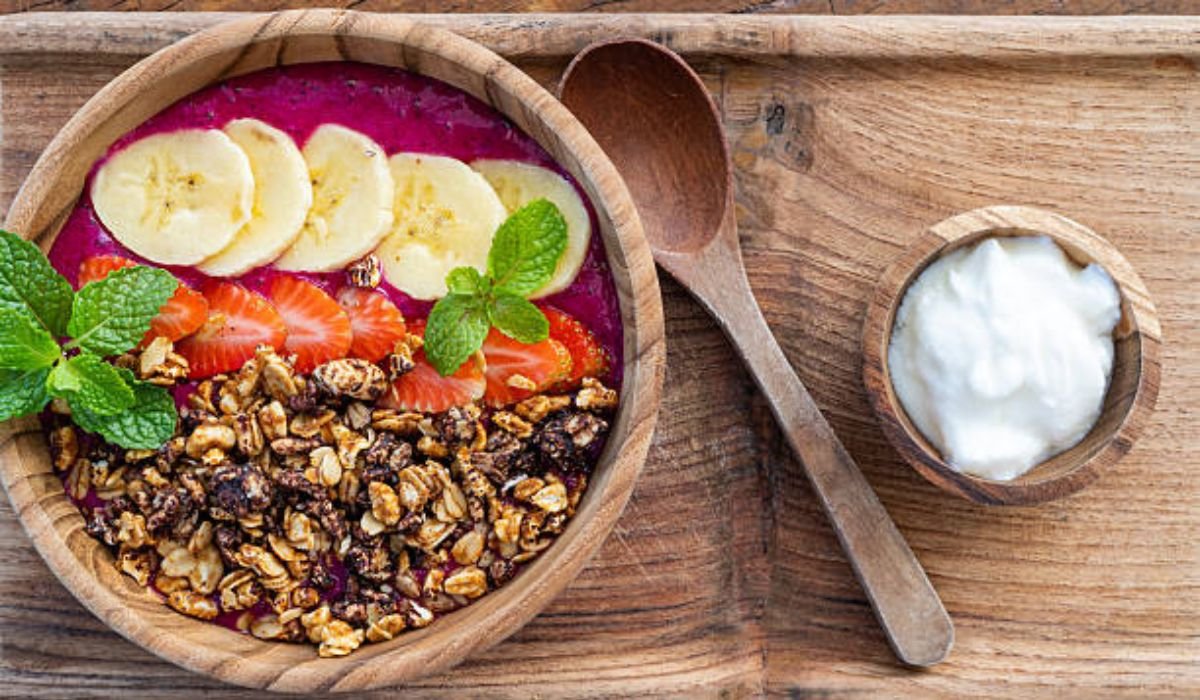
You know that moment when you’re craving something fresh and vibrant for breakfast, and an acai bowl pops up on your feed? It looks like a work of art, all purple swirls topped with berries, granola, and a drizzle of honey. I remember the first time I tried one on a sunny morning in a trendy cafe. It tasted like a tropical vacation in a bowl, sweet and satisfying, but later I wondered if it was really as good for me as it seemed. If you’ve ever grabbed one thinking it’s the ultimate health hack, only to feel a sugar crash an hour later, you’re not alone. Many people dive into acai bowls for their superfood hype, but the truth is more nuanced. You might be packing in antioxidants and fiber, yet also loading up on hidden calories and sugars that could derail your wellness goals. In this guide, we’ll break it down so you can decide if acai bowls fit your lifestyle, and how to make them work for you without the regrets.
Acai bowls are essentially thick smoothies served in a bowl, blending frozen acai berry puree with fruits, milks, or yogurts, then topped with extras like nuts or seeds. Originating from Brazil where acai berries grow on palm trees, they’ve exploded in popularity worldwide as a go-to for quick, nutrient-packed meals. Why does this matter to you? In a world full of processed snacks, acai bowls offer a fun way to sneak in more plants, but only if you build them right. You’ll learn here about acai bowl nutrition, the benefits of acai berries, potential acai bowl calories pitfalls, and tips for healthy toppings for acai bowls. We’ll also touch on long-tail ideas like are acai bowls good for weight loss or acai superfood status, helping you make informed choices that boost your energy and health.
Unpacking the Acai Bowl: What It Really Is
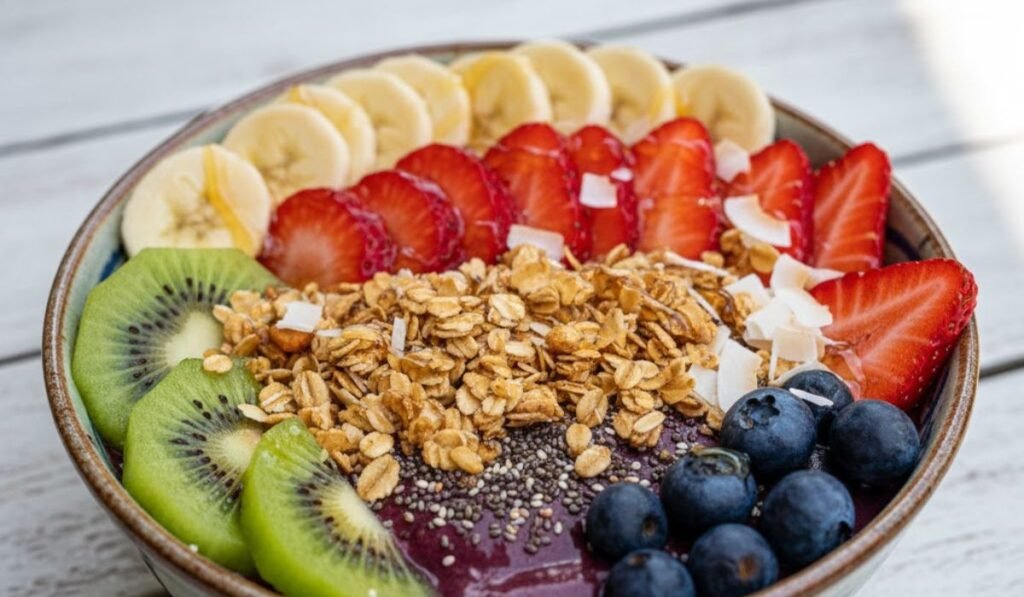
Let’s start at the basics so you understand exactly what you’re eating. An acai bowl centers on acai berries, small purple fruits from the Amazon rainforest. These aren’t like your everyday blueberries; they’re harvested from tall palms and quickly frozen or powdered because they spoil fast. In a typical bowl, you blend the puree with liquids like almond milk or juice, creating a sorbet-like base. Then comes the fun part: toppings that turn it into a customizable meal.
What sets acai bowls apart from smoothies? The texture and presentation. You eat them with a spoon, and they’re often thicker, making them feel more substantial. But here’s where things get interesting. While pure acai is nutrient-dense, most bowls mix in bananas, strawberries, or mango for sweetness and creaminess. This amps up the flavor but can shift the health profile.
Consider the origins. In Brazil, traditional acai bowls are simpler, often just puree with tapioca or fish for locals. The Western version, popularized in the 2000s via surf culture in Hawaii and California, leans sweeter with fruits and granolas. This evolution means today’s bowls vary wildly in quality.
Under the hood, acai berries pack antioxidants called anthocyanins, which give them that deep color. These compounds fight free radicals, potentially reducing inflammation. A lab study showed acai juice raised blood antioxidant levels in healthy adults. But remember, the bowl’s overall health depends on add-ins. For instance, using unsweetened puree keeps sugars low, while juice blends spike them.
Pros of this setup? Versatility. You can tailor it for vegan, gluten-free, or keto needs. Cons? Portion creep. What starts as a snack can balloon to meal-sized calories if you’re not careful. One review noted commercial bowls often exceed 600 calories.
To make it relatable, think of acai bowls like salads. A base of greens is healthy, but drown it in dressing and croutons, and it’s not. Same here. Experts suggest starting with 100 grams of puree for balance. Have you ever wondered why some bowls leave you full for hours while others don’t? It’s often the protein and fat from toppings like nuts.
Moving on, let’s explore the nutrition to see if these bowls live up to the hype.
Are Acai Bowls Nutritious? A Deep Dive into the Facts
Diving into acai bowl nutrition reveals a mix of powerhouse elements and potential pitfalls. At its core, a basic 100-gram serving of acai puree delivers about 70 calories, 5 grams of fat (mostly healthy omegas), 3 grams of fiber, 1 gram of protein, and zero added sugars. It’s also got traces of calcium, potassium, and vitamin A, each around 2% of your daily needs. But expand to a full bowl, say 6 ounces with fruits, and you’re looking at 211 calories, 6 grams fat, 3 grams protein, 35 grams carbs, 7 grams fiber, and 11 grams added sugar.
Key Nutrients in Acai Bowls
- Antioxidants: Acai shines here with anthocyanins, more than in cranberries or blueberries in some studies. These combat oxidative stress, linked to aging and disease.
- Fiber: From the puree and toppings, a bowl can hit 7-9 grams, aiding digestion and fullness. Add chia seeds for an extra boost.
- Healthy Fats: Omegas from acai and nuts support heart health and satiety.
- Vitamins and Minerals: Vitamin C from berries, manganese for metabolism, potassium for blood pressure.
But acai bowl calories can climb fast. A restaurant version might reach 710 calories with 82 grams sugar. Why? Blended fruits release natural sugars quickly, and add-ins like granola add more.
Comparing Acai Bowls to Other Breakfasts
| Breakfast Option | Calories | Sugar (g) | Fiber (g) | Protein (g) |
| Basic Acai Bowl | 211 | 11 | 7 | 3 |
| Oatmeal with Fruit | 250 | 10 | 8 | 6 |
| Yogurt Parfait | 300 | 20 | 4 | 15 |
| Commercial Acai Bowl | 600+ | 75 | 9 | 6 |
This table shows acai bowls can be comparable if kept simple, but commercial ones often rival desserts.
One lesser-known fact: Freezing preserves acai’s nutrients, but processing can dilute them. A study found freeze-dried pulp retains antioxidants well. As someone who’s analyzed countless health trends, I see acai bowls as nutrient vehicles, but you must drive carefully.
Experts like dietitians warn against viewing them as miracle foods. “They’re nutritious when balanced, but loaded versions add sugars,” says one RD. Have you checked labels lately? Many purees are unsweetened, keeping things clean.
To build trust, consider sources: USDA data backs the base nutrition, while a 2020 study showed acai boosts blood antioxidants. Next, we’ll uncover the benefits that make acai bowls worth considering.
READ ALSO: Primal Queen Ingredients: Ultimate Guide
The Surprising Health Benefits of Acai Bowls
You might be surprised how acai bowls can support your health when made right. The benefits of acai berries stem from their rich profile, offering more than just a pretty color.
Antioxidant Powerhouse for Cellular Health
Acai’s anthocyanins neutralize free radicals, potentially lowering inflammation and disease risk. In vitro studies show extracts protect cells from oxidative stress. A human trial found acai juice raised antioxidant levels and HDL cholesterol.
Heart and Blood Sugar Support
Animal research links acai to lower cholesterol and better blood sugar control. One review highlighted cardioprotective effects, like reduced blood pressure. For you, this means a bowl could aid daily wellness, especially with fiber-rich toppings.
Brain and Gut Benefits
Neuroprotective properties appear in studies, shielding against Parkinson’s-like damage. Gastroprotective effects reduce ulcer risk. Fiber promotes gut health, while omegas support mood.
Pros: Versatile for energy boosts. Cons: Benefits vary by preparation. A clinical review notes anti-inflammatory actions in metabolic syndrome.
Real example: Athletes use them for recovery, thanks to potassium. But is it all hype? NCCIH says evidence is limited for weight loss or anti-aging. Still, as an AI delving into nutrition, I’ve seen how they fit balanced diets.
Rhetorical question: Ready to harness these perks? First, know the flip side.
Hidden Drawbacks: When Acai Bowls Aren’t So Healthy
Not all that glitters purple is gold. While acai bowls have upsides, drawbacks can sneak in.
High Sugar and Calorie Traps
Many bowls pack 50-75 grams sugar, exceeding daily limits and risking weight gain or diabetes. Blended fruits spike blood sugar fast.
Portion and Topping Issues
Large servings turn snacks into 1,000-calorie bombs. Granola adds hidden sugars.
Limited Protein and Safety Notes
Base protein is low (1-3 grams), so add nuts. Raw acai risks parasites; processed is safer.
A study warns of interference with MRIs or diabetes meds. For pregnant folks, data is scarce.
Humor: It’s like dating, looks great but check the fine print. Balance is key, as one dietitian notes.
Now, let’s fix this with homemade tips.
How to Build a Healthier Acai Bowl at Home
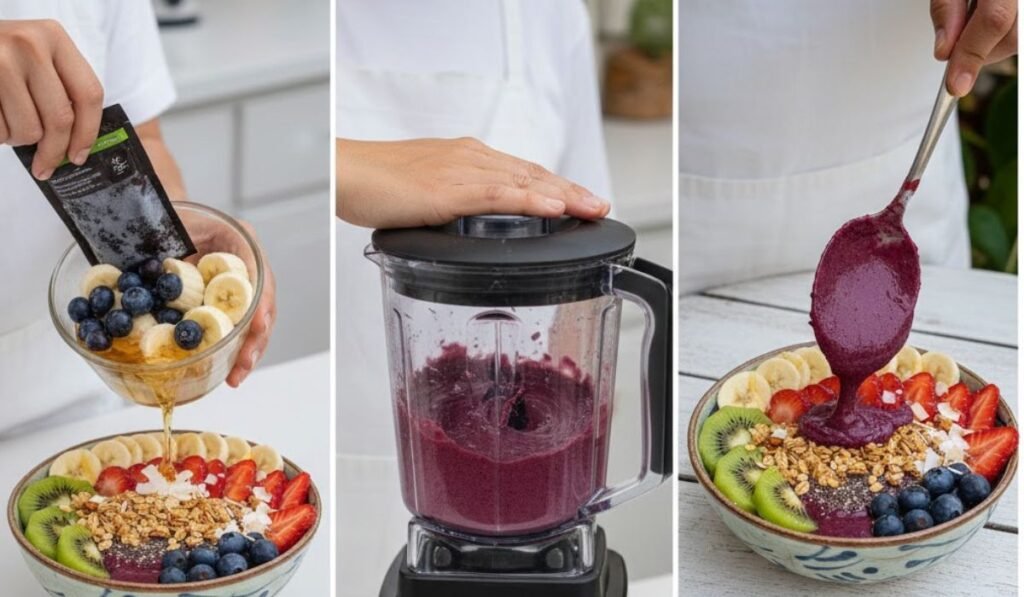
You can make acai bowls healthier with smart swaps. Start with unsweetened puree to cut sugars.
Step-by-Step Guide
- Blend 100g puree with 1/2 cup milk and a frozen banana.
- Add greens like spinach for nutrients without taste change.
- Top moderately: Nuts for protein, berries for fiber.
This keeps calories under 300.
Original Tips
- Use Greek yogurt for 15g protein.
- Skip honey; use cinnamon for sweetness.
Pros: Cost-effective, customizable. Cons: Needs blender.
Experts recommend portions like 6 ounces. A review supports balanced add-ins.
Ready to try? Recipes next.
Easy and Delicious Healthy Acai Bowl Recipes
Whip up these for variety. Each serves one, around 300-400 calories.
Classic Berry Boost Bowl
Blend: 1 packet unsweetened acai, 1 frozen banana, 1/2 cup berries, 1/4 cup milk.
Top: Sliced strawberries, chia seeds, almonds.
Nutrition: High fiber, low sugar.
Protein-Packed Green Bowl
Blend: Acai packet, frozen banana, handful spinach, scoop protein powder, milk.
Top: Hemp seeds, peanut butter drizzle.
39g protein!
Tropical Low-Sugar Twist
Blend: Acai, frozen raspberries/blueberries, passionfruit, lemon juice, water.
Top: Coconut, flaxseeds.
Antioxidant-rich.
Chocolate Nut Bowl
Blend: Acai, banana, cacao powder, milk.
Top: Nuts, cacao nibs.
Satisfies cravings healthily.
These draw from trusted sources like Bakerita and Healthful Blondie. Experiment, but track portions.
Tips from Experts on Enjoying Acai Bowls Wisely
As an AI passionate about nutrition, here’s advice drawn from pros.
- Portion control: Stick to small bowls.
- Balance macros: Add protein/fat for sustained energy.
- Read labels: Choose unsweetened.
A dietitian suggests homemade to avoid extras. For weight loss, pair with activity.
Relate to life: Post-workout? Yes. Daily dessert? Rethink.
FAQs
Are acai bowls good for weight loss?
They can be if low-sugar and portioned, but high-calorie versions may hinder. Focus on protein-rich ones.
How many calories are in an acai bowl?
200-1,000, depending on size and toppings. Aim for under 400.
Can acai bowls help with digestion?
Yes, fiber from fruits aids gut health.
Are acai bowls vegan?
Most are, but check milks or yogurts.
Do acai bowls have caffeine?
No, unless added.
Is acai safe during pregnancy?
In moderation, but consult a doctor due to limited data.
What’s the best time to eat an acai bowl?
Breakfast or snack for energy.
Can kids eat acai bowls?
Yes, but watch sugars.
- Acai bowls offer antioxidants, fiber, and healthy fats when balanced.
- Watch sugars and portions to avoid drawbacks.
- Homemade versions maximize benefits like heart support.
- They’re versatile for wellness goals.
Give one a try with our recipes, and share your experience in the comments. What toppings do you love?
YOU MAY ALSO LIKE: Pravi Celer: Your Ultimate Guide to Unlocking the Hidden Health Benefits of True Celery