
 By Admin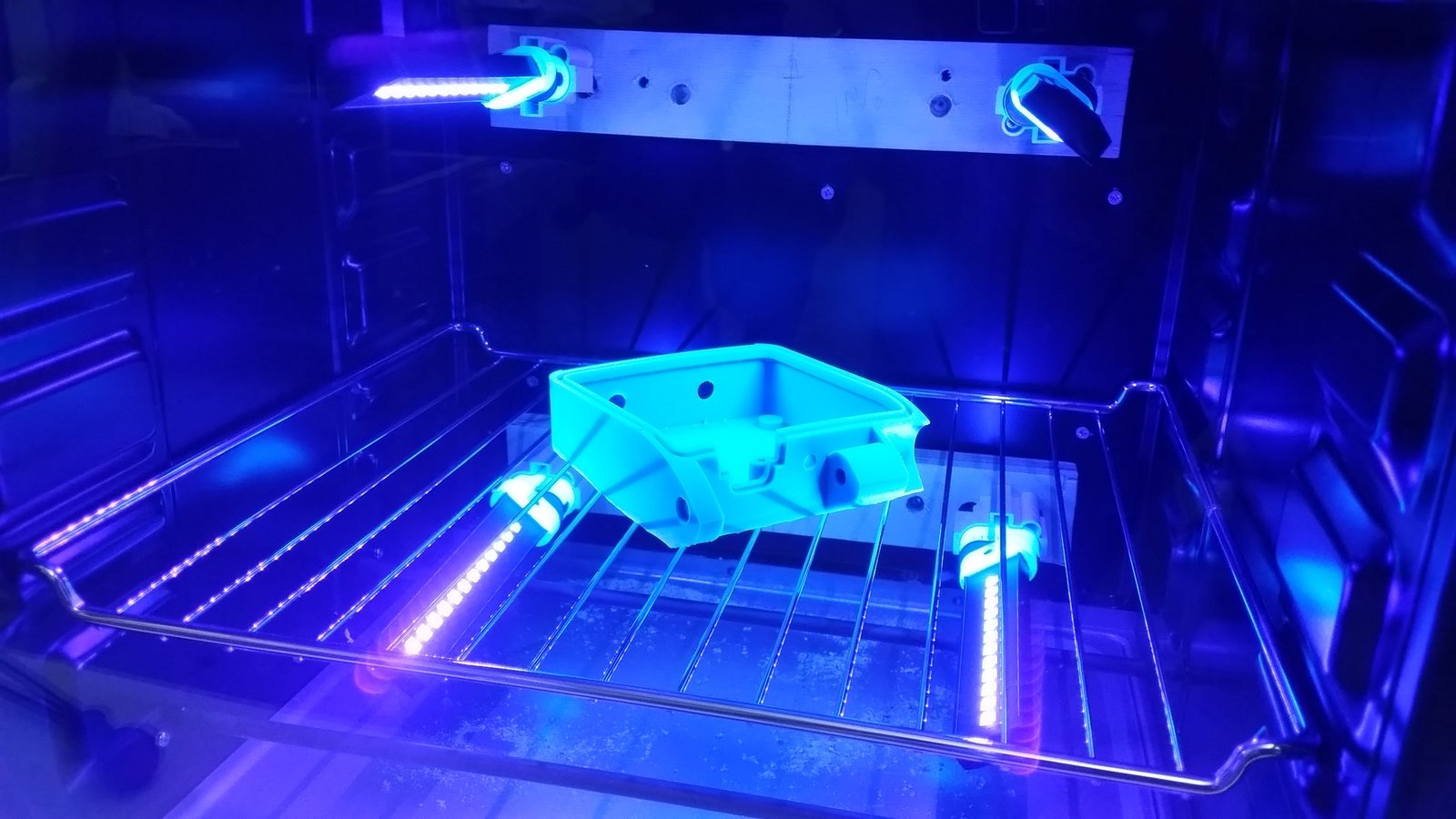
Imagine a furniture maker watching a freshly coated table dry. For decades, this meant hours of waiting, careful handling to avoid dust, and venting powerful solvent fumes. Now, imagine that same finish hardening to a durable, glass-like surface in seconds under a beam of light. This isn’t fantasy—it’s the reality of UVlack, a modern coating technology that’s turning traditional finishing on its head.
For professionals in manufacturing, woodworking, packaging, and beyond, the quest for a better finish is constant. You need durability, efficiency, and increasingly, a smaller environmental footprint. Let’s explore what UVlack is, how it works, and the seven compelling reasons it’s becoming the finish of choice for forward-thinking operations.
What Exactly is UVlack?
At its core, UVlack is a type of UV-curable coating. Think of it as a liquid formulation that remains in a “liquid” state until it’s exposed to a specific wavelength of ultraviolet (UV) light. This exposure triggers an almost instantaneous chemical reaction called polymerization, transforming it from a wet film into a hardened, cross-linked solid.
The magic lies in its special ingredients, primarily photoinitiators. These compounds absorb UV light energy and kick-start the curing chain reaction. Unlike traditional solvent-based varnishes or even water-based coatings that rely on evaporation, UVlack cures through a direct energy transfer. This fundamental difference unlocks a cascade of benefits that address common industrial pain points.
How Does UV Curing Technology Work?
The process is elegantly straightforward and integrates seamlessly into modern production lines.
- Application: The UVlack coating is applied just like any other finish—via spray, roller, curtain coater, or UV coating technology for flat surfaces. At this stage, it’s workable and won’t dry in the air.
- Exposure: The coated item moves into a UV curing unit. Inside, high-intensity UV lamps (typically LED for modern efficiency) emit precise wavelengths of light.
- The Reaction: The photoinitiators in the coating absorb this energy, becoming highly reactive. They cause the surrounding resins and monomers to link together into dense, long-chain polymers in a fraction of the time.
- Completion: The item exits the curing unit with a fully hardened, ready-to-handle finish. There’s no waiting for solvent evaporation, no tacky surface, just a ready-to-ship or next-step product.
This rapid curing process isn’t just fast—it’s the engine for a more efficient, consistent, and cleaner production cycle.
7 Reasons Why UVlack is Outshining Traditional Coatings
Here’s where the rubber meets the road. Let’s break down the key advantages driving the shift toward UV-curable coatings.
1. Speed That Revolutionizes Production
Traditional solvent-based coatings can take hours to dry to the touch and days to fully cure. UVlack achieves a full, through-cure in seconds. This eliminates bottlenecks, drastically increases throughput, and allows for just-in-time manufacturing. You can coat, cure, and pack in a continuous, streamlined flow.
2. Unmatched Durability & Performance
The dense polymer network created by UV curing results in a remarkably tough finish. We’re talking superior abrasion resistance, high scratch and chemical resistance, and excellent hardness. For products like flooring, high-traffic furniture, or electronic device casings, this means a finish that lasts longer and looks better under daily wear.
3. The Clear Winner for Environmental & Worker Safety
This is a major driver. UVlack formulations are typically low-VOC or even solvent-free. There are minimal harmful emissions during application or curing, creating a safer workplace and eliminating the need for massive, energy-hungry ventilation systems. For the environmentally conscious manufacturer, this is a significant step toward greener production.
4. Superior Material & Energy Efficiency
Since nothing evaporates, nearly 100% of the applied UVlack becomes the final finish film. Compare that to solvent-based options, where a large percentage evaporates into the air as waste and pollution. You use less material for the same result. Furthermore, modern UV LED curing lamps consume far less energy than thermal drying ovens.
5. A Consistently Flawless Finish
Because it cures instantly, there’s no time for dust, fibers, or insects to settle on the wet surface. This leads to a dramatically higher first-pass yield with fewer rejects due to surface defects. The cure is also consistent—not affected by ambient humidity or temperature like traditional coatings.
6. Space Savings on the Factory Floor
Without the need for massive drying racks or lengthy conveyor tunnels for air drying, a UV curing line is remarkably compact. This frees up valuable floor space for other production steps or allows for a smaller facility footprint overall.
7. Enabling Design & Functional Innovation
UVlack isn’t just a protective layer. It can be formulated for specific effects: ultra-matte to high-gloss, soft-touch feels, or even with antimicrobial properties. Its rapid cure also enables new techniques, like building up multiple, distinct layers (a color base, then a clear topcoat) in minutes without sanding between coats.
Where is UVlack Being Used? Real-World Applications
This isn’t niche technology. UV curable coatings have found a home across industries:
- Woodworking & Furniture: From office furniture and kitchen cabinets to hardwood flooring and decorative mouldings. The scratch resistant finish is ideal for high-use items.
- Packaging: Creating dazzling, durable surfaces on cosmetic boxes, high-end consumer goods packaging, and specialty labels. UVlack for packaging provides instant cure for high-speed lines.
- Electronics: Used as a protective, insulating coating on components and as a hard finish on device housings. The benefits of UV curable coatings for electronics include moisture resistance and a premium feel.
- Industrial Manufacturing: On metal substrates, plastics, and composites for automotive parts, tool housings, and more.
- Best substrates for UVlack coating? It adheres brilliantly to wood, plastics (like ABS, PVC), metals, and even some treated papers and boards.
Conclusion: Is UVlack the Right Choice for Your Operation?
The shift toward UVlack and UV coating technology is more than a trend; it’s an evolution in manufacturing efficiency and responsibility. It offers a powerful answer to the triple challenge of speed, quality, and sustainability.
If your priorities include reducing production time, lowering environmental impact, achieving a tougher finish, and streamlining your process, then UVlack demands a closer look.
Your Next Step: The initial investment in UV curing equipment is a consideration, but the ROI through material savings, increased output, and quality often tells a compelling story. Start by contacting a coatings supplier who specializes in UV curable coatings. Request samples, run tests on your specific substrates, and calculate the potential long-term gains for your line.
The future of finishing isn’t about waiting—it’s about shining a light on it.
FAQs About UVlack & UV Curing
Q: Is UVlack more expensive than traditional varnish?
A: The raw material cost per liter can be higher, but the applied cost is often lower. You use almost 100% of the product (no solvent evaporation), need less floor space, and achieve huge labor and energy savings from instant curing, making it highly cost-effective overall.
Q: How durable is a UVlack finish on a dining table?
A: Exceptionally durable. The UVlack furniture finish durability is superior to most air-dried finishes. It offers excellent resistance to scratches, heat rings, solvents like alcohol, and general wear, making it ideal for high-use furniture.
Q: Can UVlack be applied over existing finishes?
A: It’s possible but requires careful preparation. Adhesion is best to properly prepared, bare substrates. Applying over an existing finish requires thorough testing to ensure compatibility and bond. Always consult with your coatings supplier.
Q: Is UVlack truly eco-friendly?
A: Yes, in several key ways. Its low-VOC and solvent-free nature reduces air pollution. There’s virtually no hazardous waste from solvents. The energy efficiency of UV LED curing and the high material efficiency (no evaporation) contribute to a much smaller environmental footprint.
Q: What are the safety precautions for workers?
A: Uncured material should not contact skin. Proper PPE (gloves, eye protection) is used during application. The cured film is inert and safe. The main hazard is the UV light itself; curing units must be properly shielded to prevent any exposure to eyes or skin.
Q: Can I use UVlack in a small workshop?
A: Absolutely. While large systems exist for factories, there are compact UV curing lamps and spot-cure systems perfect for small-batch producers, artisans, and repair shops wanting to leverage the technology.
Q: Does UVlack yellow over time?
A: High-quality, properly formulated UVlack has excellent UV stability and resistance to yellowing, especially compared to some traditional oil-based finishes. For applications with extreme sun exposure, specific UV-inhibiting formulations are available.
You May Also Like: How to monitor and reduce EMF pollution?